

Residual Solvent Testing: Ensuring Safety in Extracts & Concentrates
Extracts and concentrates have become some of the most popular products on the market, known for their potency, purity, and versatility. But behind the scenes, ensuring their safety requires more than just skilled extraction—it requires residual solvent testing. Without it, products risk failing regulatory standards, harming consumers, and damaging a brand’s reputation.
At CATLAB, LLC, we specialize in precise and compliant residual solvent testing, helping producers deliver extracts and concentrates that meet both state regulations and consumer expectations.
What Are Residual Solvents?
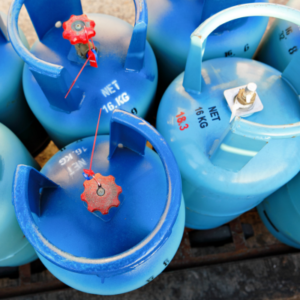 Residual solvents are trace amounts of chemicals left behind after the extraction process. Since many concentrates are made using solvents like butane, propane, or ethanol, it’s essential to ensure none of these remain in unsafe quantities once the process is complete.
Common solvents tested include:
- Butane & Propane: Common in hydrocarbon extraction, but must be fully purged.
- Ethanol: Used for tinctures and concentrates but can linger if not removed properly.
- Acetone & Hexane: Less common but still possible in certain processes.
- Isopropanol: Occasionally used in processing and must be monitored.
Even when used correctly, small amounts can remain in a finished product—making testing the only way to confirm safety.
Why Testing Matters
Residual solvents pose risks on multiple levels:
- Consumer Safety: Inhalation or ingestion of leftover solvents can be harmful, especially with repeated use.
- Regulatory Compliance: Each state has specific limits for residual solvents. Products that exceed those limits cannot be sold legally.
- Product Quality: Solvents not only impact safety but also affect the flavor, aroma, and overall experience of concentrates.
Testing ensures products are free from harmful levels of solvents while maintaining the integrity that customers expect.
What Levels Are Allowed?
Regulatory bodies set strict limits for acceptable solvent levels. For example, butane and propane must be below certain parts per million (ppm) to pass. While limits vary by state, CATLAB, LLC follows the strictest standards to ensure compliance.

Examples of solvent limits (approximate):
- Butane/Propane: < 5000 ppm
- Ethanol: < 5000 ppm
- Acetone: < 5000 ppm
- Benzene (a Class 1 solvent): 0 ppm — banned at any detectable level
Our lab reports provide clear, detailed results so producers know exactly where their products stand against required benchmarks.
Preparing for Residual Solvent Testing
To make the testing process smoother and ensure accurate results, producers should:
- Purge thoroughly: Use vacuum ovens or proper purging methods to reduce solvent levels after extraction.
- Keep samples clean: Avoid contamination during packaging or handling.
- Label and document properly: Include extraction method, solvent type, and batch information when sending samples.
- Test early and often: Don’t wait until the final stage—regular testing throughout production can help catch issues before they escalate.
By following these steps, businesses can avoid costly retests and delays.
Understanding Test Results
When CATLAB, LLC provides residual solvent testing results, you’ll receive a report that includes:
- Detected solvent types
- Concentration levels (ppm)
- Pass/fail status compared to state regulations
This transparency allows you to act quickly if corrective action is needed, while also giving you confidence in the batches that pass.
The Bottom Line
Residual solvent testing is not just a regulatory requirement—it’s a commitment to safety, quality, and consumer trust. Extracts and concentrates are only as good as the standards behind them, and ensuring they are free of harmful solvents is key to building lasting success.
At CATLAB, LLC, we combine advanced testing methods with fast turnaround times and free sample pickup, making compliance simple and stress-free.
👉 Contact us today to schedule residual solvent testing and keep your extracts safe, compliant, and market-ready.
